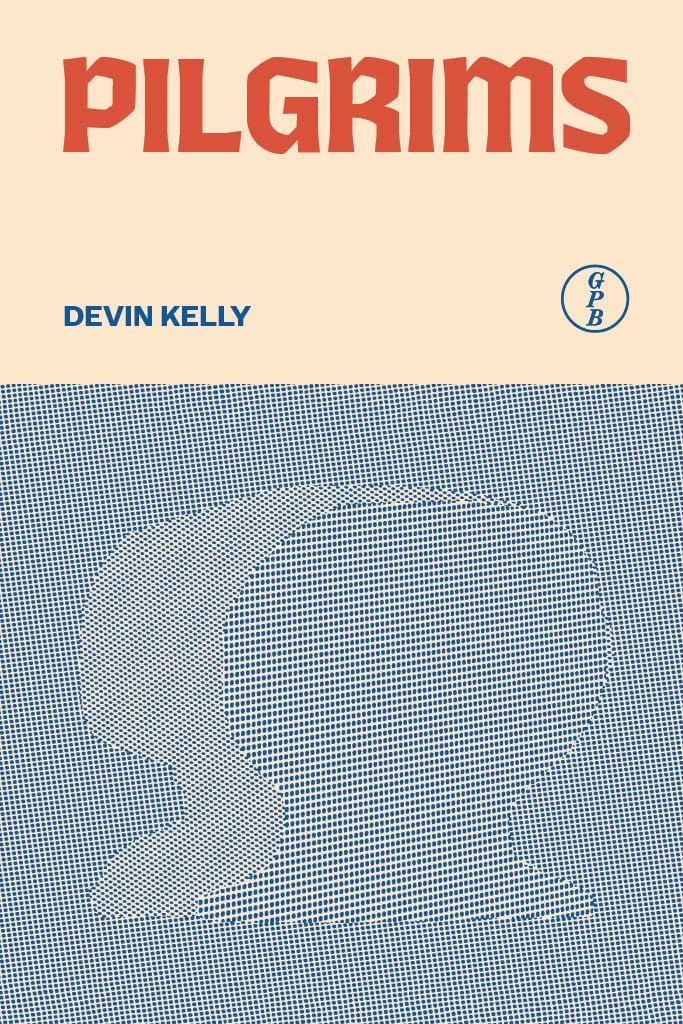
Devin Kelly’s “Pilgrims” and the Joy of Annotation

Pilgrims

I have always highlighted and underlined sentences I like in books. Another writer once told me they loved reading after me because when they turned the page and saw something highlighted, it excited them. They knew a good sentence was coming. I don’t know if anyone would want to read my copy of Pilgrims by Devin Kelly, however. A little squiggle or star or swipe of yellow here and there isn’t a nuisance. But when damn near every sentence is marked up and circled with a yes! next to it, it becomes less charming and more like vandalism. 
Continue Reading

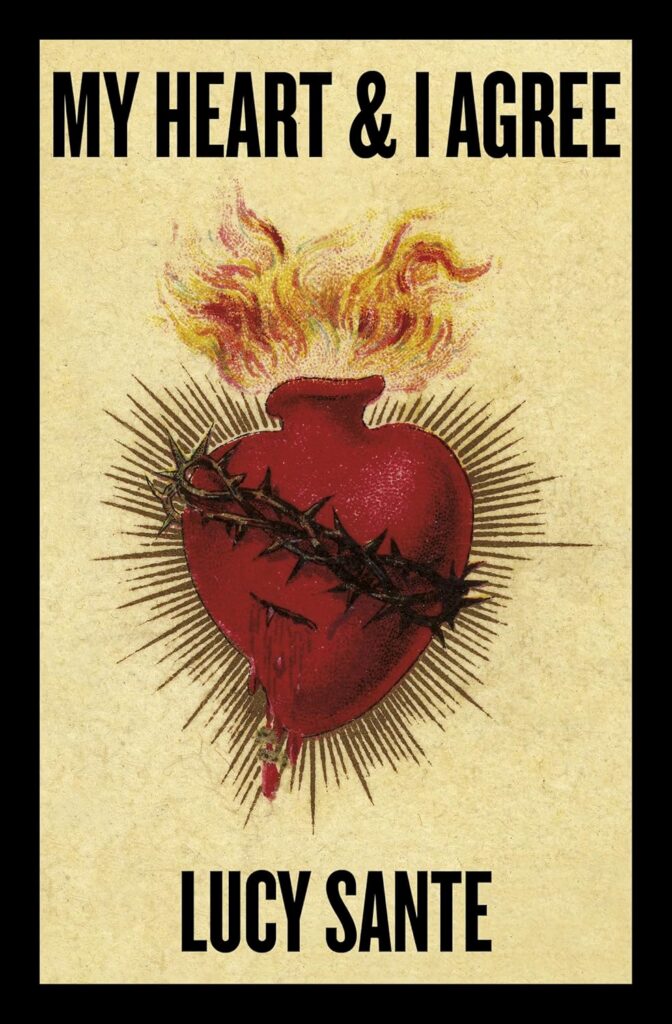
Memory, Art, and Evocation: On Lucy Sante’s “My Heart & I Agree”

My Heart and I Agree

There are five poems at the beginning of Lucy Sante’s third collection of short pieces. I knew she started out as a poet but had never read one. I saw references to chapbooks online that were long out of print. When I asked her if there would be a poetry book forthcoming, she said these were the only good ones. I don’t know if I believe that. Sante has always been a writer of musical sentences and in these five small pieces we get to hear that music untethered from narrative. It’s an unexpected treat, like a bit of dessert before the main course.

Continue Reading

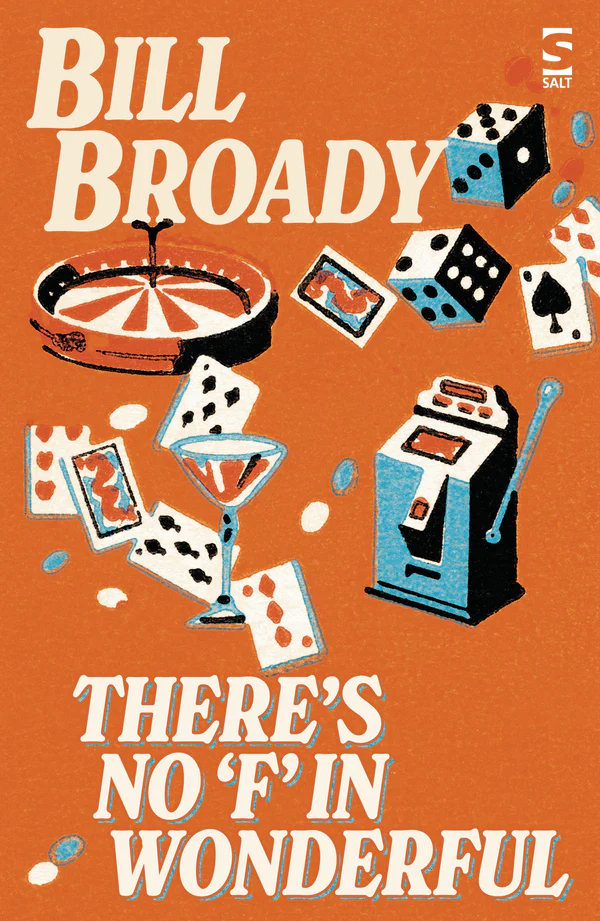
Bill Broady’s Novel Antidote: “There’s no ‘F’ in Wonderful”

There’s no 'F' in Wonderful

Dostoyevsky had a roulette system. Fine-tuning his method in Baden-Baden, he wrote to his brother in 1863 confidently laying down the fundamentals of his infallible method, which, once you weed out the giddiness and guff, amounts to this: bet more, and if you lose, bet even more. Pile on more money, eventually you’ll hit a winning streak. Of course, as might’ve been expected, Dostoyevsky never retired on his roulette winnings, instead finding himself broke and forced to write his sketchy novella The Gambler in a few days to get out of debt. The Gambler is Dostoyevsky’s casino hangover, but the Russian giant’s ego being what it was, even so soon after his losing bouts at the tables in those European spa towns, he still glorified a little in the casino world that’d almost destroyed him. 

Continue Reading

Cuisine With a Dash of History: A Review of “The Swedish Cookbook”

The Swedish Cookbook

The Swedish Cookbook by Niklas Ekstedt is a beautifully crafted celebration of Nordic simplicity, balance and flavor — a book that feels both timeless and refreshingly modern. Ekstedt brings his signature philosophy of lagom — “just the right amount” — to every page, offering home cooks a warm, confident guide into the heart of Swedish culinary tradition.

Continue Reading

“A Literary Event”: A Review of Nicholas Boggs’s “Baldwin: A Love Story”

Baldwin: A Love Story

For more than three decades, the literary world has waited for a definitive, fresh examination of one of the 20th century’s most vital voices. In Baldwin: A Love Story, Nicholas Boggs delivers not just a biography, but a literary event. By exploring James Baldwin’s life through the prism of deep, complex love, Boggs offers a mesmerizing, deeply humane portrait of a man whose personal connections shaped the conscience of a generation.

Continue Reading

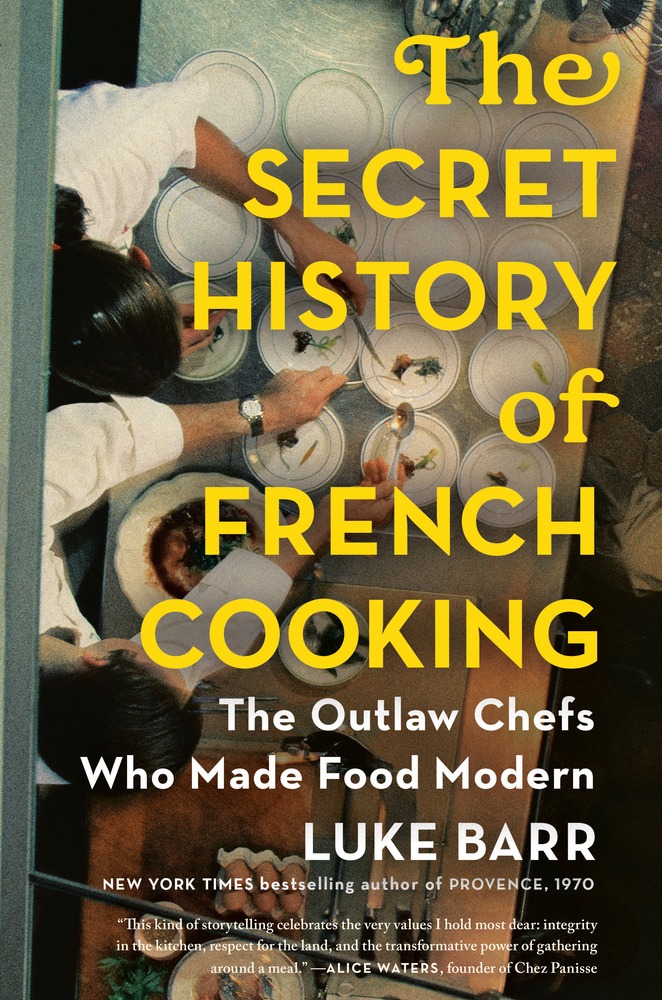
Inside the Culinary Archives: On Luke Barr’s “The Secret History of French Cooking”

The Secret History of French Cooking

Luke Barr’s The Secret History of French Cooking is an absolute feast—an irresistible blend of culinary archaeology, cultural storytelling, and pure gastronomic joy. Barr has a gift for taking something as familiar as French cuisine and revealing the hidden machinery beneath it: the personalities, the rivalries, the obsessions, and the quiet revolutions that shaped what the world now thinks of as “classic” cooking.

Continue Reading