Six Ridiculous Questions: J.T. Price

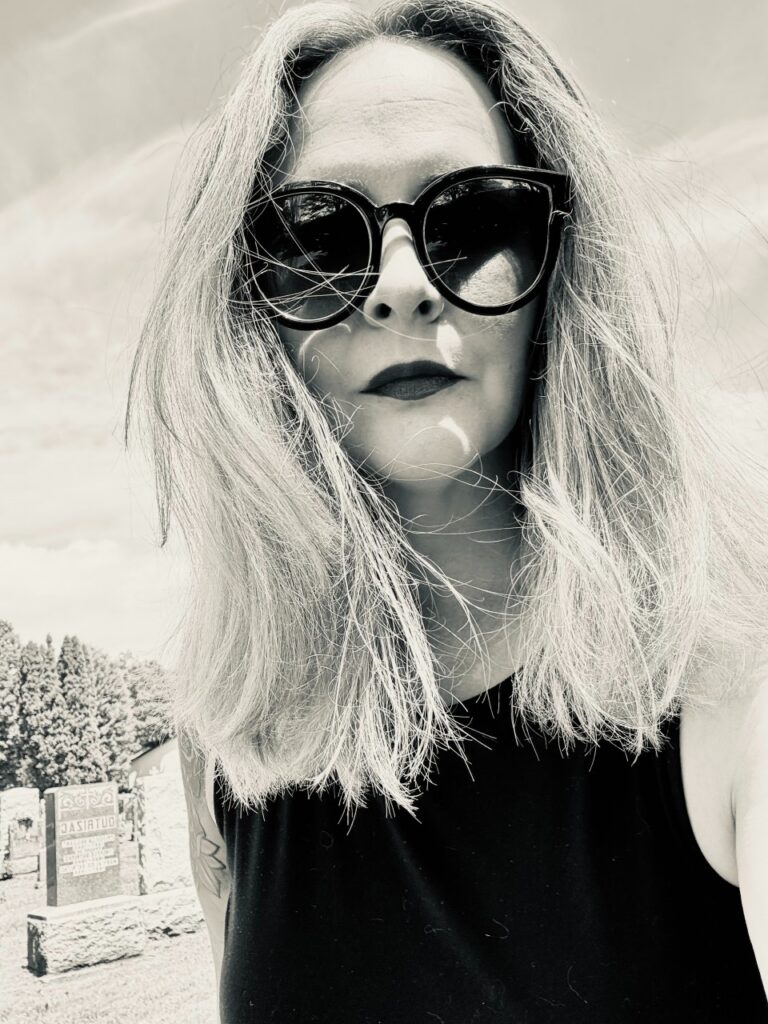
J.T. Price

The guiding principle of Six Ridiculous Questions is that life is filled with ridiculousness. And questions. That only by giving in to these truths may we hope to slip the surly bonds of reality and attain the higher consciousness we all crave. (Eh, not really, but it sounded good there for a minute.) It’s just. Who knows? The ridiculousness and question bits, I guess. Why six? Assonance, baby, assonance.

Continue Reading

A Preview of a New Edition of Lord Dunsany’s “The Gods of Pegana”

"The Gods of Pagana" cover

In a 2009 essay on the works of pioneering writer Lord Dunsay, Jo Walton explained his significance to the world of uncanny fiction. “Lord Dunsany wasn’t writing fantasy, because what he was writing was defining the space in which fantasy could later happen,” Walton wrote — and praised his ability “to take poetic images and airy tissues of imagination and weight them down at the corners with perfect details to craft a net to catch dreams in.”

Continue Reading

Krackle’s Last Movie: A Chat with Chelsea Sutton on Creating Creatures Through Found Footage

Chelsea Sutton

Author Chelsea Sutton’s Krackle’s Last Movie, out now from Split/Lip Press, is one monster of a novella – a post-modern Prometheus, if you will (you don’t have to). 

The book itself is a patchwork of found footage, oral history, and the inner thoughts of our reluctant protagonist, Harper. It’s the story of a mentor gone missing, a tragic death onstage, and interviews with “real-life” monsters whose lives glance, sometimes violently, off the human world. As she splices, rewinds, and reconstructs Krackle’s decades of encounters with werewolves, mermaids, invisible dancers, and desert sea monsters, Harper finds herself piecing together truths behind her own life secrets, as well as those that led to both Krackle’s disappearance and the Great Merlan’s last trick. 

Continue Reading

The Uncanny Histories of Vernon Lee

Hauntings

A little context can go a long way, especially when it’s from knowledgeable guides. My first encounter with Vernon Lee’s uncanny fiction came when I read the collection The Virgin of the Seven Daggers. I will confess that I don’t remember much else about it, the fact that I was reading it in 2020 goes a long way towards explaining that. I enjoyed Lee’s work enough that I was excited to see a new version of her 1890 collection Hauntings published with a conversation on the book (and Lee’s work) by Gretchen Felker-Martin and Kayla Kumari Upadhyaya.

Continue Reading

“The Mystery Found Him”: Ruyan Meng on “The Morgue Keeper”

"The Morgue Keeper"

My introduction to Ruyan Meng’s work came via her novel The Morgue Keeper, which follows a man named Qing Yuan — the titular morgue keeper — who becomes fixated on one of the bodies that he encounters. (Literary Hub recently published an excerpt.) Soon enough, his interest in this case (which reminded me a bit of Derek Raymond’s harrowing I Was Dora Suarez) takes him to increasingly unsettling places. I spoke with Meng about this novel’s origins and the moments in history that she seeks to chronicle.

Continue Reading

Aaron Burch On the Making of “Tacoma”

Aaron Burch

Much of Aaron Burch’s writing explores the myriad ways our past affects our present. Now, over two decades after founding the indie lit journal Hobart, and after publishing a novel, a novella, an essay collection, a short story collection, a craft anthology (and numerous short stories and essays, plus founding two additional literary journals), Burch is back with Tacoma, an autofiction novella that takes themes of nostalgia and the past to a wild new level. 

Continue Reading

The History of Sound: A Book, A Film, and the Unexpected Twists of Ben Shattuck’s Writing Career

Ben Shattuck

It’s the classic writer’s dream: publish a book, win an award, write the screenplay, and then walk the red carpet at the film version’s premiere. During 2025, Ben Shattuck’s creative life appeared to reflect that dream exactly: his first work of fiction, The History of Sound, won the Mark Twain American Voice in Literature prize and the film version — for which Shattuck wrote the screenplay — debuted at Cannes.

Continue Reading