
Is it still snowy outside your door? Despite slightly non-polar weather the last few days, the snowdrifts remain high and the puddles are murky. Also, we have some literary recommendations for you this month: a wide range of books, from a deep dive into a Nobel laureate’s work to an unexpected work of autofiction.

Emi Yagi, When the Museum is Closed (translated by Yuki Tejima)
(Feb. 1, Soft Skull)
When someone falls in love with a statue, is that relationship doomed from the outset? That’s one of the question Emi Yagi ponders in this new novel, which adds some fantastical elements into a story of frustrated academics and the lonelyhearted.

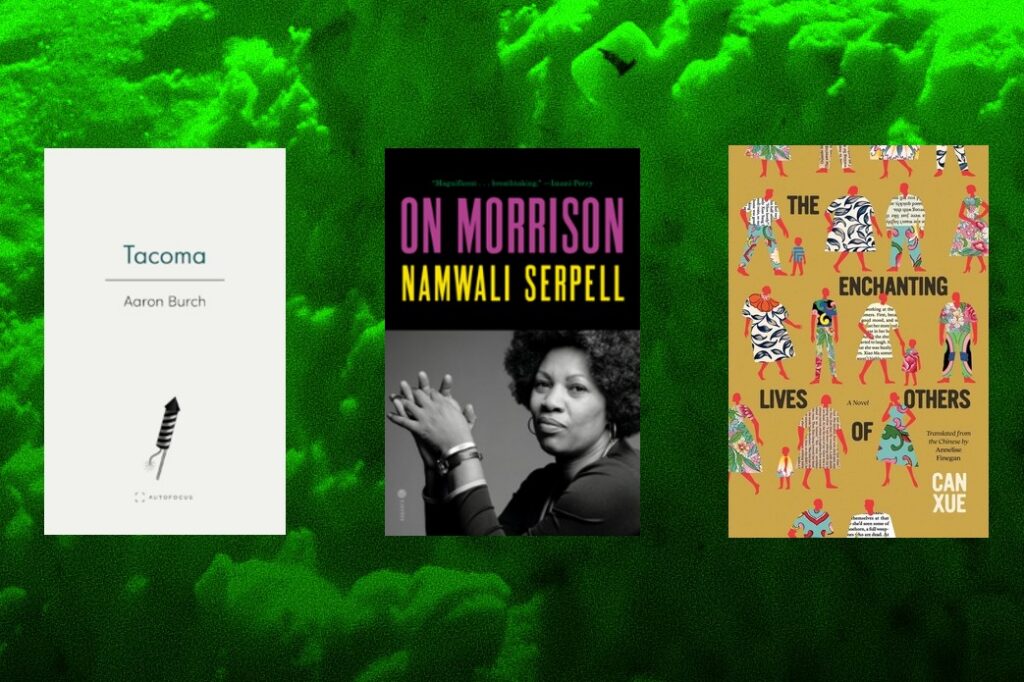
Aaron Burch, Tacoma
(Feb. 10, Autofocus Books)
Aaron Burch described his latest book as “speculative autofiction,” which is a description that one doesn’t see a lot, but which also makes perfect sense. Also, the title puts us in mind of a certain EP by a certain early-2000s indie rock band, which is always a plus.
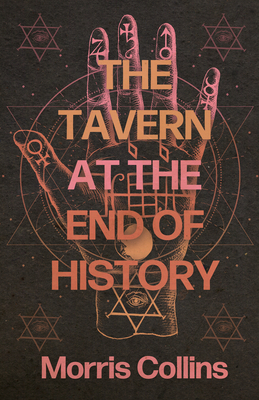
Morris Collins, The Tavern at the End of History
(Feb. 10, Dzanc)
In a review of Morris Collins’s new novel, Olivia Haynie called the book “a compelling art mystery.” It’s a surreal story of an art auction in a remote location, and the haunting experiences (both figuratively and literally) that transpire there.
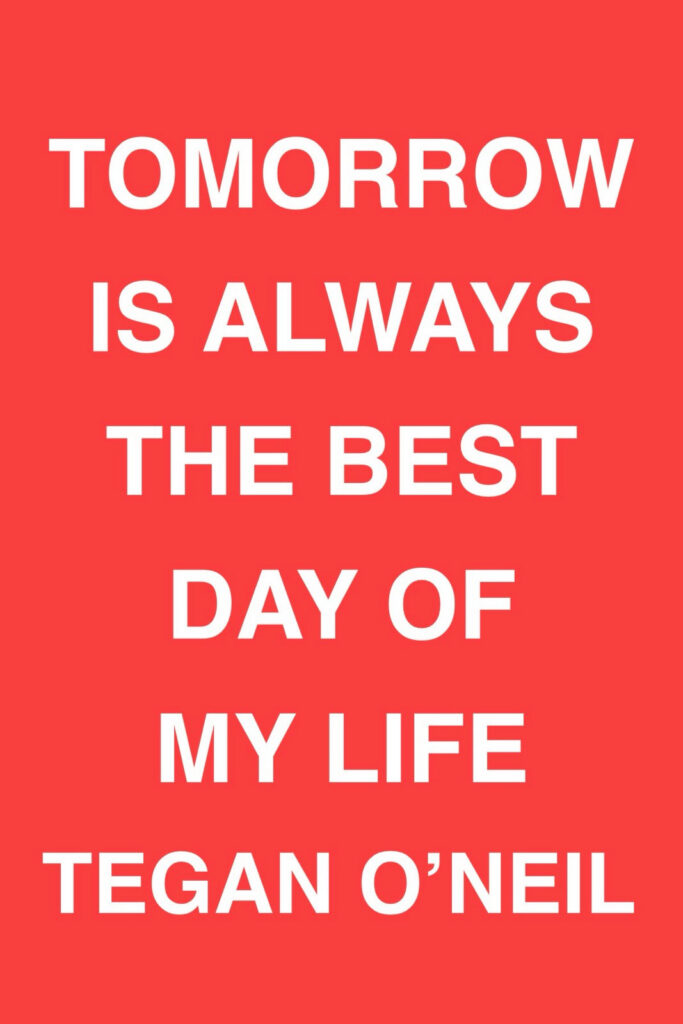
Tegan O’Neil, Tomorrow Is Always the Best Day of My Life
(Feb. 10, Past-Itch)
We’re longtime readers of Tegan O’Neill’s writing, and we’re thrilled to see that a collection of their writing is now out in the world. It’s a work of nonfiction that chronicles a time of upheaval for both the book’s author and the country in which they were writing it.
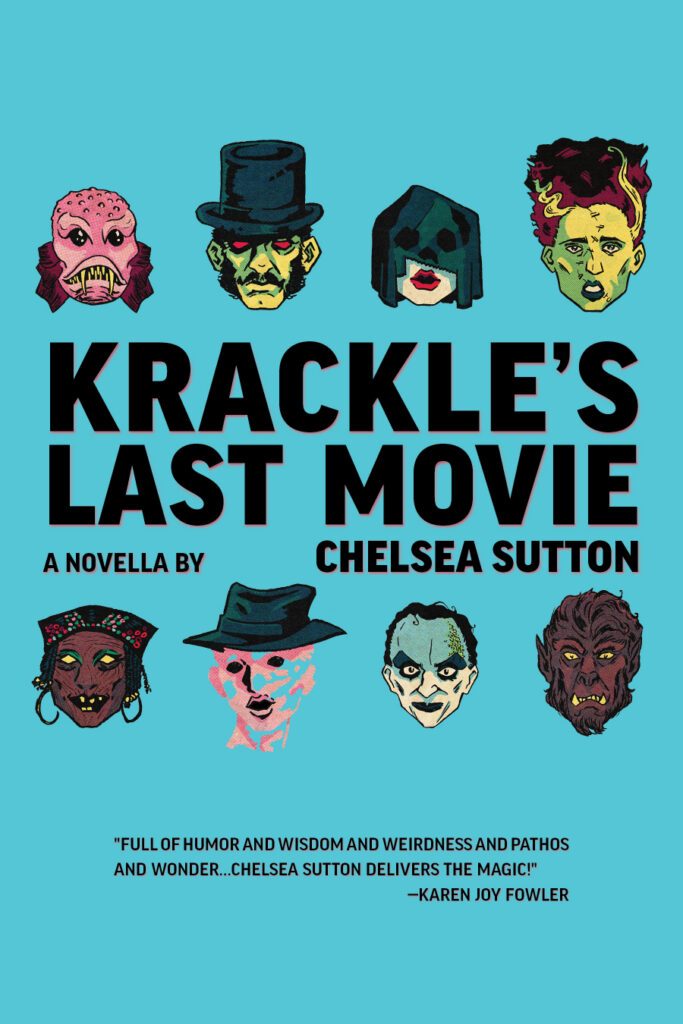
Chelsea Sutton, Krackle’s Last Movie
(Feb. 10, Split/Lip Press)
We published a lengthy interview with Chelsea Sutton about this very book last month. Here’s Abby Higgs’s description: “It’s the story of a mentor gone missing, a tragic death onstage, and interviews with “real-life” monsters whose lives glance, sometimes violently, off the human world.”
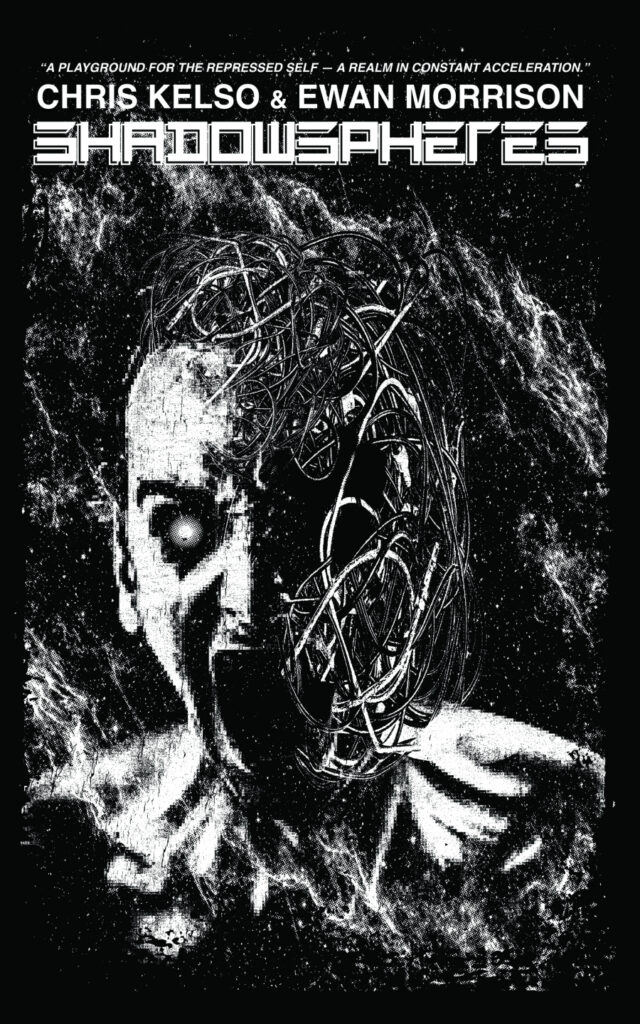
Ewan Morrison and Chris Kelso, Shadowspheres
(Feb. 13, Merigold Independent)
Also in the realm of writers whose work we’ve long enjoyed: Chris Kelso. Kelso’s latest, a collaboration with Ewan Morrison, is described by its publisher as “a hybrid collection of essays and stories exploring the psychological and cultural fallout of a world accelerating beyond human control.” That seems uncannily suited for the present moment.

Christopher Beha, Why I Am Not an Atheist
(Feb. 17, Penguin Press)
Throughout his career, Christopher Beha has reckoned with weighty thematic issues in his fiction and nonfiction alike. His latest book falls into the latter category; subtitled “The Confessions of a Skeptical Believer,” it follows Beha’s search for philosophical answers over much of his adult like.

Namwali Serpell, On Morrison
(Feb. 17, Hogarth Press)
Making the case for some books is challenging. This one, not so much. Do you want to read one great writer discussing the work of another? We sure do.

Can Xue, The Enchanting Lives of Others (translated by Annelise Finegan)
(Feb. 24, Yale University Press)
Few writers working today have the range of perpetual Nobel favorite Can Xue. Her latest novel takes on a subject many authors are familiar with: the ins and outs of a book club, and the way that participation in such a group can alter your relationship to literature itself.
Note: all release dates and cover art are subject to change.