

Welcome to the month of September; it’s good to have you here. We have some books to suggest for you, from sprawling fiction to insightful nonfiction about how we got to this moment in history. We’ve got old favorites and new faces alike; plus, Glenn Gould is in the mix. You all like Glenn Gould, right? Here we go.
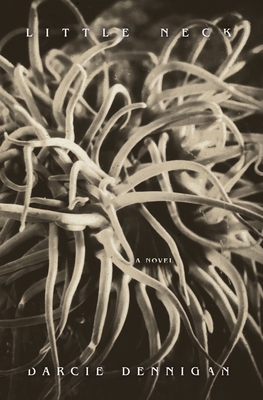
Darcie Dennigan, Little Neck
(Sept. 9, Fonograf Editions)
In recent years, Darcie Dennigan has accumulated an impressive bibliography, encompassing poetry and prose alike. Her novel Little Neck taps into a particularly New England strain of gothic fiction; situating the protagonist in a cemetery will have that kind of effect, after all.

Jason Diamond, Kaplan’s Plot
(Sept. 9, Flatiron Books)
The debut novel from Vol. 1 Brooklyn founder Jason Diamond tells a sprawling story of family secrets and the mysteries of Chicago. There’s a long and excellent history of Chicago in fiction, and this is a welcome addition to it.
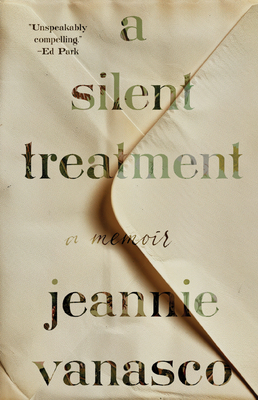
Jeannie Vanasco, The Silent Treatment
(Sept. 9, Tin House)
“I do find it helpful to choose a form early on so I at least have something I’m working with or against,” Jeannie Vanasco said in a recent interview. “I remain open to the possibility it will change.” Her latest book is another candid, formally inventive foray into life and family.

David Leo Rice, The Squimbop Condition
(Sept. 11, 11:11 Press)
David Leo Rice’s new book revisits the unsettling, eternally-fluctuating world he first explored in The New House. Rice has been chronicling the uncanny siblings who give this book a title in fiction long- and short-form for a while now; this marks their unsettling return.

Fernando A. Flores, Death to the Bullshit Artists of South Texas
(Sept. 16, Host Publications)
Earlier this year saw the publication of Fernando A. Flores’s Brother Brontë; now, an earlier work of his is getting reissued on its 11th anniversary. In a review around the book’s initial release, Dan Solomon noted that it explored “the seductive mythology and the obvious bullshititude of the Valley’s punk-rock moment.” We’re on board.

Katharina Volckmer, Calls May Be Recorded
(Sept. 16, Two Dollar Radio)
“I think I’m quite interested in how work could be changed into something less invasive and less depressing,” Katharina Volckmer said in an interview earlier this year. The subject was her new novel, about the personal and professional tension within a London call center, and the strange power dynamics that accompany it.

Kate Zambreno, Animal Stories
(Sept. 16, Transit Books)
Do you want to read Kate Zambreno exploring zoos, surveillance, and the legacy of Franz Kafka? Because we sure do.

William Walsh, The Poems: a novella
(Sept. 18, Erratum Press)
Precisely what can you tell the story of using prose? In his new book, William Walsh takes on the subject of verse itself. It’s a welcome return for an always-innovative writer, and we’re fascinated to see how this one plays out.

Joanna Walsh, Amateurs!: How We Built Internet Culture and Why it Matters
(Sept. 23, Verso)
Speaking of formally inventive writers: Joanna Walsh! Walsh’s bibliography spans fiction and nonfiction, and this new book — about the human-centric history of the internet — is a welcome reckoning with its early days and where it’s taken us in the 2020s.
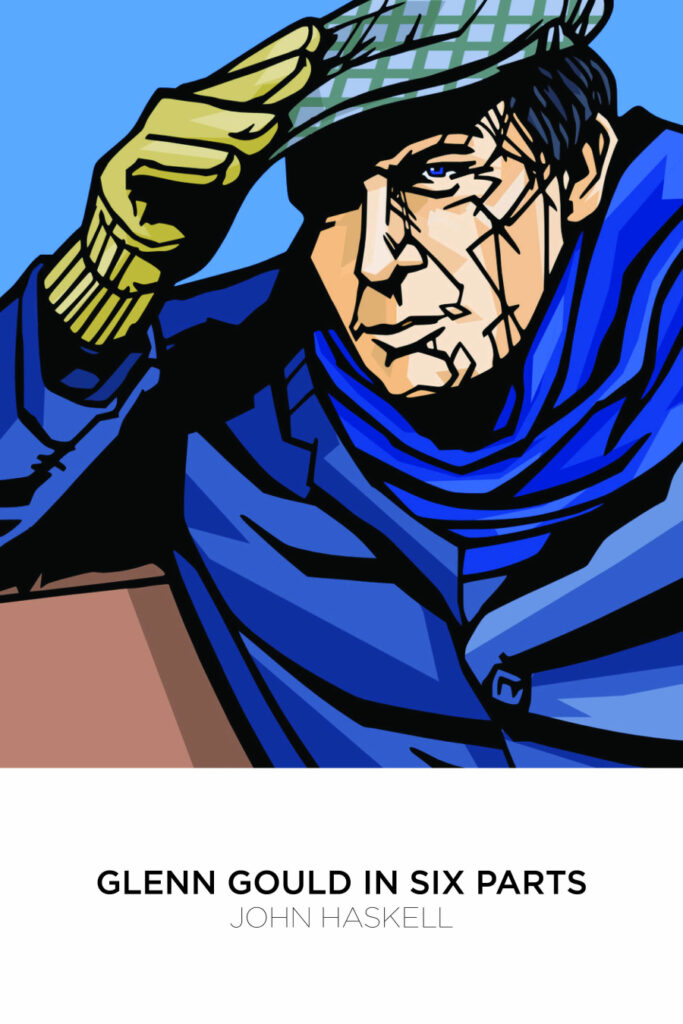
John Haskell, Glenn Gould in Six Parts
(Sept. 24, IKE: A Publishing Project)
Later this year brings with it a new collection of nonfiction by John Haskell. That’s not the only book he has due out in 2025, though; there’s also this chapbook, in which a multifaceted writer considers a multifaceted musician. What’s not to like?
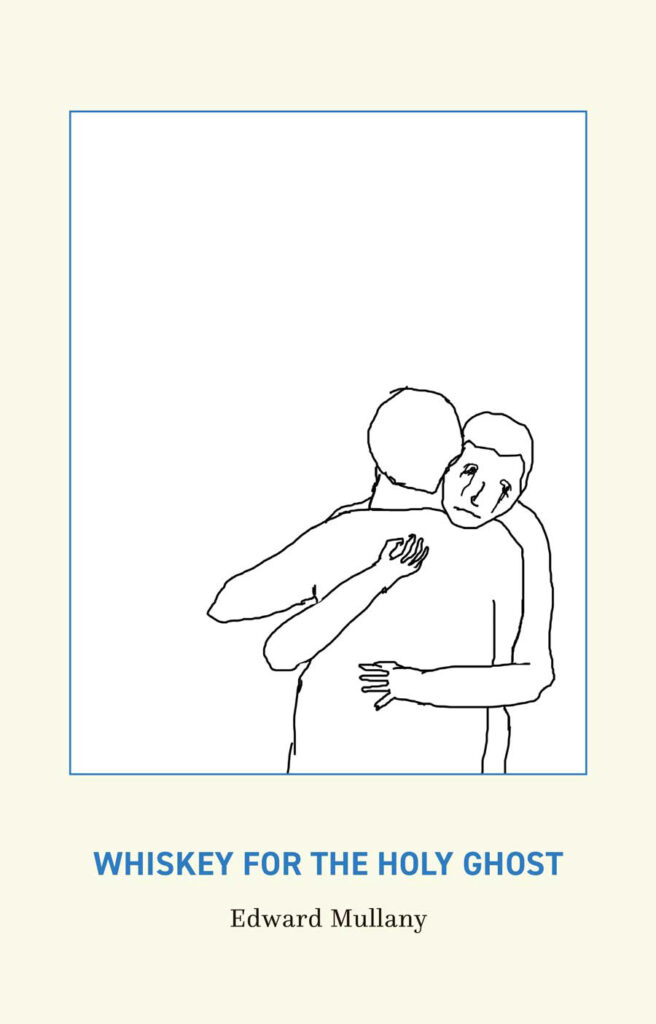
Edward Mullany, Whiskey for the Holy Ghost
(Sept. 30, Publishing Genius)
Titling your book after a Mark Lanegan album is never a bad thing, as far as we’re concerned. Mullany’s new book blends absurdist fiction with illustrations; it’s another memorable entry in a singular body of work.
Note: all cover art and release dates are subject to change.